

LIHTC, HUD, USDA/RD, and Section 8 Properties: Why Subsidy Structure Matters in Georgia Property Tax Appeals
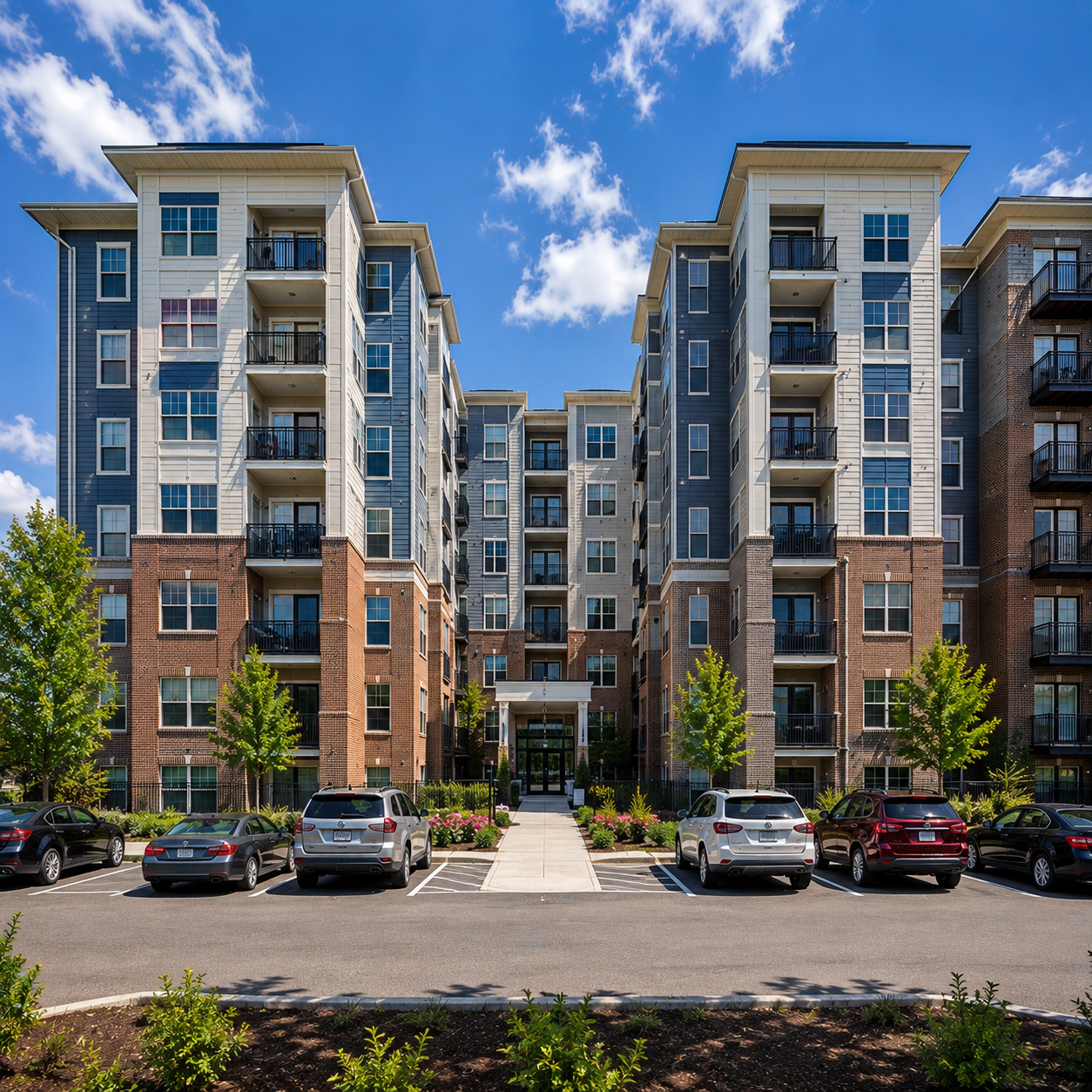
Affordable housing is not a single valuation category. LIHTC, HUD, USDA/RD, Section 8, HOME, senior affordable, workforce housing, and other rent-restricted properties can have very different income structures, restrictions, financing arrangements, and operating requirements.
For Georgia property tax appeals, those differences matter. A proper assessment review should look beyond the label "affordable housing" and identify the specific structure affecting the property.
LIHTC properties
Low-Income Housing Tax Credit properties are commonly restricted by maximum rents, tenant income limits, extended use agreements, compliance requirements, and investor-related obligations. Those restrictions may limit revenue and affect marketability.
In a valuation review, the key question is whether the assessment reflects the actual restricted-income economics of the property, rather than treating the property as an unrestricted market-rate apartment complex.
HUD and project-based Section 8 properties
HUD-assisted and project-based Section 8 properties may have HAP contracts, approved contract rents, regulatory requirements, inspection obligations, and program-specific operating structures. Those documents can affect both income and risk.
A county assessment may require closer review if it does not appear to account for the property's contract rent structure, subsidy arrangement, or program obligations.
USDA/RD properties
USDA Rural Development properties may involve Section 515 loans, interest credit, rental assistance, rent restrictions, and other program requirements. These features can make valuation more complex than a standard market-rate multifamily analysis.
Owners should provide USDA/RD loan information, rent schedules, interest credit information, rental assistance details, and any related regulatory documents so the valuation can be reviewed accurately.
HOME, workforce, and other rent-restricted properties
Some properties are subject to HOME restrictions, local affordability agreements, bond-related restrictions, workforce housing requirements, senior affordable restrictions, or other limitations. These restrictions may affect rents, tenant eligibility, compliance, and long-term property operations.
Even when a property is not a traditional LIHTC property, any meaningful restriction on income or use should be considered in the assessment review.
Subsidies and restrictions are not all treated the same
One reason subsidy structure matters is that not every subsidy affects valuation in the same way. Some features may affect income. Others may affect expenses, financing, reserves, risk, or marketability. Some may be relevant to the value of the real estate, while others may require more careful analysis to determine proper treatment.
The owner's task is to provide the documents needed to understand the structure. The valuation task is to determine how that structure affects the supportable value for property tax purposes.
What can go wrong in an assessment
An assessment may warrant review if the county appears to assume unrestricted market rents, overlooks regulatory limitations, uses incomplete income information, fails to consider increased expenses, treats subsidy-related items incorrectly, or applies a capitalization rate that does not reflect the property's risk and restrictions.
These issues are especially important where the assessment increased but the property's actual NOI, occupancy, rent collections, or expense profile does not support the increase.
Documents owners should provide
Owners should provide the assessment notice, rent roll, operating statement, regulatory agreement, HAP contract if applicable, USDA/RD documents if applicable, rent schedules, utility allowance information, audited financial statements, and any recent appraisal, purchase, refinance, or capital needs information.
The goal is to present a complete and accurate picture of the property's income, restrictions, and operating reality.
How Lovett Property Tax Advisors can help
Lovett Property Tax Advisors helps affordable housing owners evaluate Georgia property tax assessments with attention to the specific subsidy structure involved. Our review considers LIHTC restrictions, HUD and Section 8 documents, USDA/RD features, actual income and expenses, regulatory limitations, and the county's valuation methodology.
If your Georgia affordable housing property recently received an assessment notice, send us the notice and available financial materials. We can help determine whether the assessment is supportable and whether an appeal may be warranted.
Request an assessment review from Lovett Property Tax Advisors. Call (912) 844-1346, email bates@lovettpta.com, or visit lovettpta.com.