

When a Georgia Assessment Increase Does Not Match Property Performance
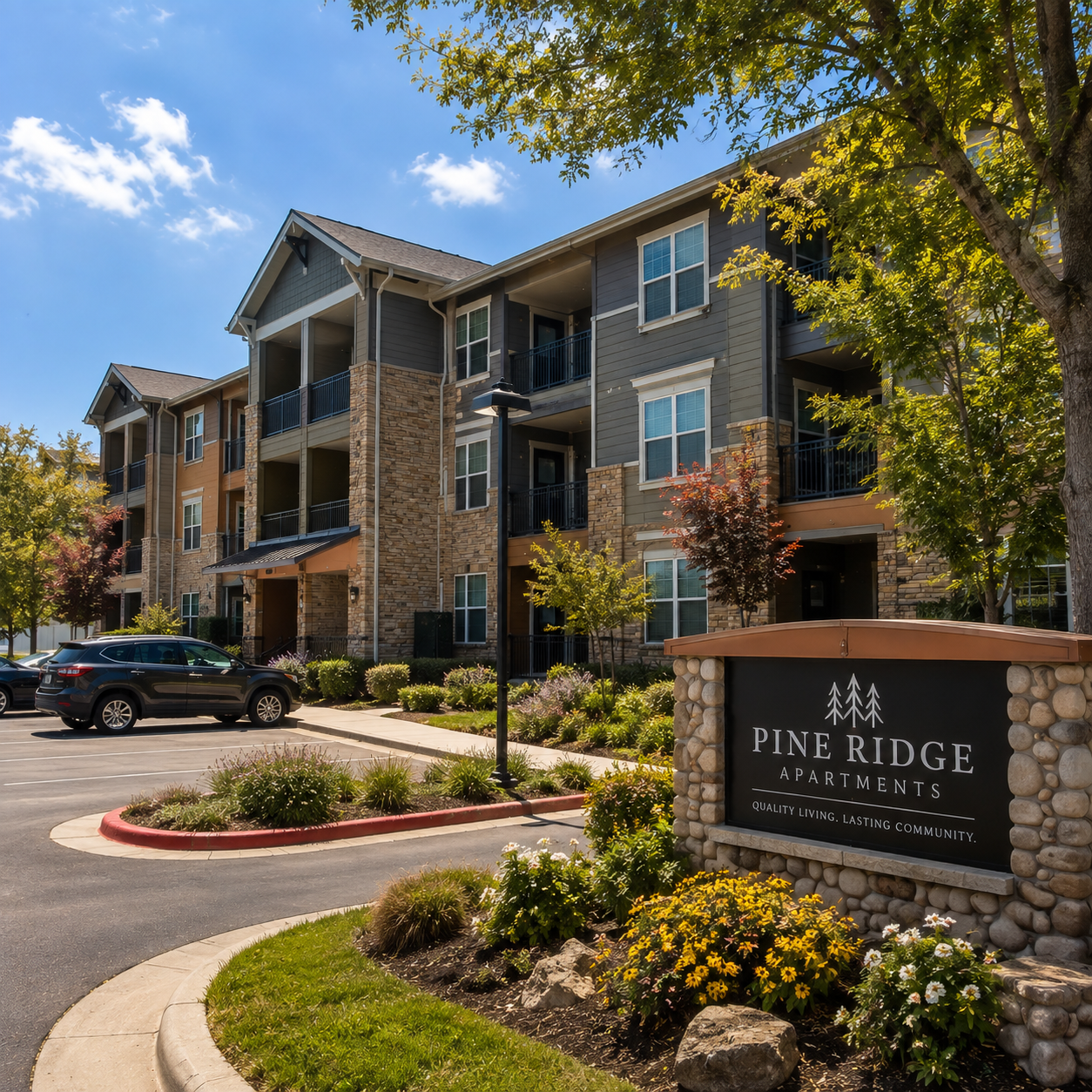
A Georgia property tax assessment increase is not automatically wrong. Property values can change, and counties are required to review values annually. But an increased assessment should be tested against the property’s actual performance, especially for LIHTC, HUD, USDA/RD, Section 8, and other rent-restricted multifamily properties.
For affordable housing owners, a county value increase can be especially frustrating when the property’s income has remained flat, expenses have increased, or the property continues to operate under rent restrictions that limit upside. A rising multifamily market does not necessarily mean that a rent-restricted property has experienced the same increase in value.
The key question is whether the assessment reflects the property’s actual economics. If the county’s value increased because of general market trends, but the property’s NOI does not support that increase, the assessment may deserve closer review.
Affordable housing properties often operate under limitations that do not apply to unrestricted market-rate apartments. Rents may be capped. Tenant income eligibility must be monitored. Compliance obligations add administrative burden. Replacement reserves, capital needs, insurance costs, payroll, utilities, and repairs may affect net operating income. These factors can materially affect value.
When the assessment notice arrives, owners should not evaluate the new value in isolation. They should compare the assessment against property-level performance and ask whether the county’s conclusion is supported by the numbers.
Assessment Increases Should Be Compared to NOI
For income-producing multifamily property, net operating income is a central valuation consideration. If the county’s assessed value increased significantly, but NOI remained flat or declined, the owner should review whether the assessment is supportable.
This is particularly important for LIHTC and other rent-restricted properties. Unlike conventional apartments, the owner may not be able to raise rents to match market conditions. Even if unrestricted rents in the area increased, a restricted property may not capture that growth. If the county’s valuation assumes market-level income that the property cannot legally or practically achieve, the assessment may overstate value.
The review should include effective gross income, vacancy and collection loss, operating expenses, reserves, and the capitalization rate or other valuation method used by the county. A large increase in assessed value should have a valuation basis that can be explained.
Expense Growth Can Undercut the County’s Value
In recent years, many multifamily owners have faced increased insurance, payroll, utilities, repairs, replacement costs, compliance costs, and capital needs. Those expenses matter because they affect NOI.
An assessment may look reasonable if the county focuses primarily on gross income or market rent trends. But if expenses have increased materially, the resulting NOI may not support the assessed value. For affordable housing properties, the owner may have less ability to offset expense growth through rent increases because rents are restricted.
That economic squeeze is often central to an appeal review. If a property’s gross potential income is limited and expenses are rising, value should be tested using the property’s actual income and expense profile.
Occupancy, Collections, and Capital Needs Should Be Considered
An assessment increase may also be questionable if the property has occupancy issues, collection loss, deferred maintenance, major repair needs, or unusual capital expenditures. These are not just management concerns. They can be valuation concerns.
For example, a property with significant roof, HVAC, plumbing, site, or unit-interior needs may not have the same value as a stabilized property with similar unit count and location. Likewise, a property experiencing unusual vacancy or collections problems may not support the same income approach value as a fully stabilized property.
Owners should gather information about major capital needs, repair history, extraordinary expenses, and any operational issues that affected performance during the relevant period. Those facts may be important in explaining why the county’s assessment does not match the property’s actual condition and income profile.
Market-Rate Comparisons May Not Tell the Whole Story
Counties often rely on broad market data to set values. That is understandable in a mass appraisal system, but broad market data may not fully capture the limitations of affordable housing properties.
A nearby market-rate apartment complex may have higher rents, fewer regulatory restrictions, different tenant qualification requirements, different financing, different reserves, or greater operational flexibility. Those differences can affect value. If the county’s assessment effectively treats a rent-restricted property like an unrestricted market-rate property, the owner should review whether the valuation assumptions are appropriate.
The appeal issue is not whether affordable housing is valuable. It is whether the assessment reflects the value of the real estate as it actually operates under its restrictions.
How Lovett Property Tax Advisors Can Help
Lovett Property Tax Advisors helps affordable housing owners compare Georgia assessments against actual property performance. Our review focuses on the relationship between the county’s value and the property’s income, expenses, restrictions, condition, and operating history.
If your Georgia assessment increased but the property’s performance does not support the increase, Lovett PTA can help determine whether an appeal may be warranted.
To begin, send the assessment notice, current rent roll, most recent operating statement, and any information regarding expense increases, occupancy issues, or major capital needs. Lovett Property Tax Advisors | lovettpta.com | bates@lovettpta.com | (912) 844-1346